

When investing in fish processing equipment, several factors must be considered to ensure optimal performance, efficiency, and compliance with food safety regulations. Here are some key points to keep in mind:
Production Capacity and Scale:
Volume: Determine the daily, weekly, or monthly volume of fish you plan to process. This will help you select equipment with the appropriate capacity.
Product Range: Consider the variety of products you intend to produce, such as fillets, steaks, smoked fish, or canned fish. This will influence the specific equipment requirements.
Equipment Type and Functionality:
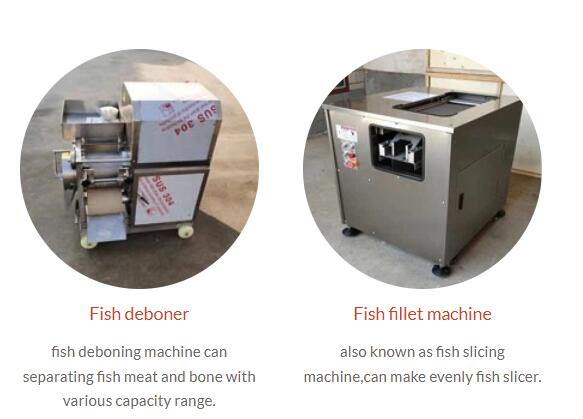
Essential Equipment: Identify core equipment like gutting machines, filleting machines, scales, and packaging machines.
Additional Equipment: Consider supplementary equipment like smokers, fryers, and freezers based on your product range.
Automation Level: Evaluate the level of automation required to balance labor costs and production efficiency.
Material Quality and Durability:
Stainless Steel: Prioritize stainless steel construction for its durability, corrosion resistance, and ease of cleaning.
Food-Grade Materials: Ensure all components are food-grade and comply with regulatory standards.
Robust Design: Choose equipment that can withstand the rigors of daily use and frequent cleaning.
Safety and Hygiene:
Sanitary Design: Look for equipment with smooth surfaces, rounded corners, and minimal crevices to prevent bacterial growth.
Easy Cleaning: Consider equipment that is easy to disassemble and clean, reducing downtime and ensuring food safety.
Safety Features: Prioritize equipment with safety features like emergency stop buttons, guards, and non-slip surfaces.
Energy Efficiency:
Energy-Efficient Motors: Opt for equipment with energy-efficient motors to reduce operating costs.
Insulated Components: Consider insulated components to minimize energy loss during processes like freezing and chilling.
Cost and Budget:
Initial Investment: Consider the upfront cost of purchasing equipment, including installation and training.
Operating Costs: Factor in energy consumption, maintenance, and repair costs.
Long-Term Value: Evaluate the long-term value of the equipment, including its impact on product quality, efficiency, and profitability.
Supplier Reputation and Support:
Reliable Supplier: Choose a reputable fish processing equipment supplier with a track record of providing quality equipment and excellent customer support.
After-Sales Service: Ensure the supplier offers comprehensive after-sales service, including maintenance, repairs, and spare parts.
Training and Support: Consider the availability of training and technical support to maximize the equipment's potential.


