

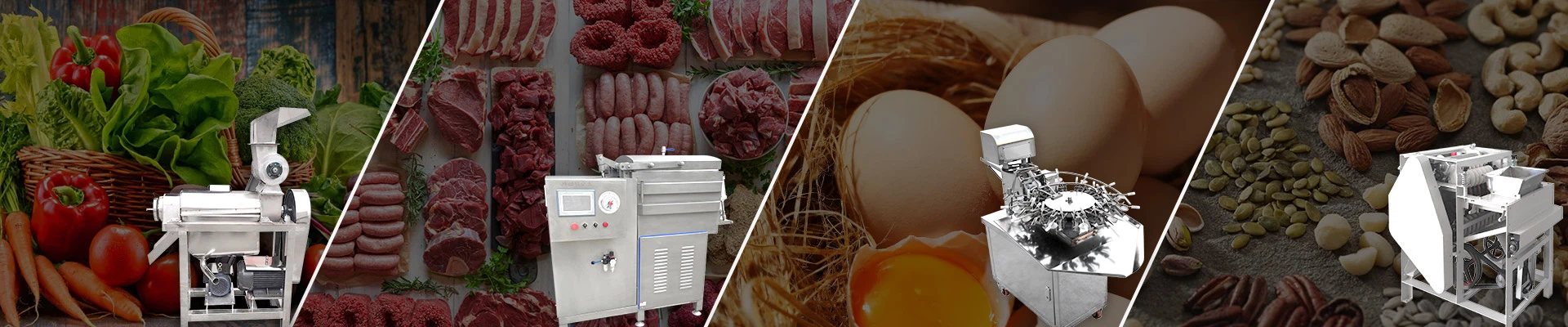
Fish processing equipment plays a pivotal role in the global seafood industry, transforming raw fish into a variety of products that nourish millions worldwide. From small-scale artisanal fisheries to large-scale industrial operations, this specialized equipment enhances efficiency, safety, and product quality.
Primary Processing
Receiving and Sorting: Equipment like conveyor belts, grading machines, and size sorters efficiently handle incoming fish, separating them by species, size, and quality.
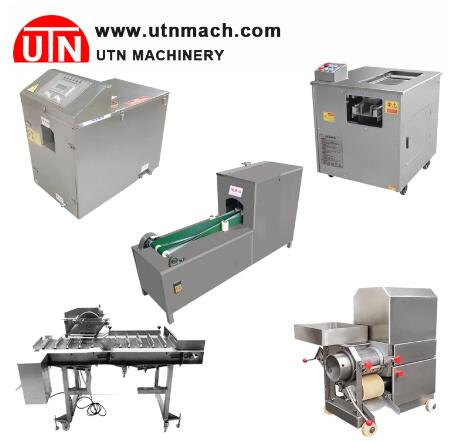
Cleaning and Gutting: Specialized machines, including gutting machines and skinning machines, remove unwanted parts, ensuring a clean and hygienic product.
Filleting and Cutting: Filleting machines and cutting tables enable precise portioning of fish into fillets, steaks, or other desired cuts.
Washing and Sanitizing: High-pressure washers and sanitizing solutions maintain cleanliness and food safety throughout the processing line.
Secondary Processing
Cooking and Processing: Equipment like cookers, steamers, and ovens prepare fish for various applications, such as canning, smoking, or freezing.
Value-Added Products: Machines for surimi production, fish balls, and fish cakes create value-added products from raw fish.
Freezing and Thawing: Blast freezers and thawing systems preserve fish quality and extend shelf life.
Packaging and Labeling: Automated packaging machines and labeling systems ensure efficient and accurate product presentation.
By-Product Utilization
Fish Meal and Oil Extraction: Rendering equipment processes fish waste into valuable products like fish meal and fish oil, which are used in animal feed and various industries.
Hydrolysate Production: Hydrolysis equipment breaks down fish proteins into hydrolysates, which are used as food additives and nutritional supplements.
Benefits of Fish Processing Equipment
Increased Efficiency: Automated equipment significantly reduces labor costs and increases production capacity.
Improved Product Quality: Precise control over processing parameters ensures consistent and high-quality products.
Enhanced Food Safety: Hygienic design and rigorous cleaning procedures minimize the risk of contamination.
Reduced Waste: Efficient utilization of by-products reduces environmental impact and maximizes resource utilization.
Extended Shelf Life: Advanced processing and packaging techniques extend the shelf life of seafood products.
Diversified Product Range: Versatile equipment enables the production of a wide range of seafood products to meet diverse consumer preferences.
Commercial Fisheries: Large-scale processing plants use advanced equipment to handle vast quantities of fish and produce a variety of products for domestic and international markets.
Artisanal Fisheries: Smaller-scale operations may use simpler equipment, such as manual filleting knives and small-scale smoking ovens, to produce niche products.
Seafood Processing Plants: These facilities process a wide range of seafood, including fish, shellfish, and crustaceans, using specialized equipment for each product type.
Foodservice Industry: Restaurants and food service providers use fish processing equipment to prepare fresh seafood dishes, ensuring consistent quality and portion control.
Fish processing equipment is essential for the sustainable and efficient production of seafood products. By optimizing processes, improving product quality, and minimizing waste, this technology contributes to the global food supply and supports the livelihoods of millions of people. As the demand for seafood continues to grow, advancements in fish processing equipment will play a crucial role in meeting future needs while preserving marine resources


