

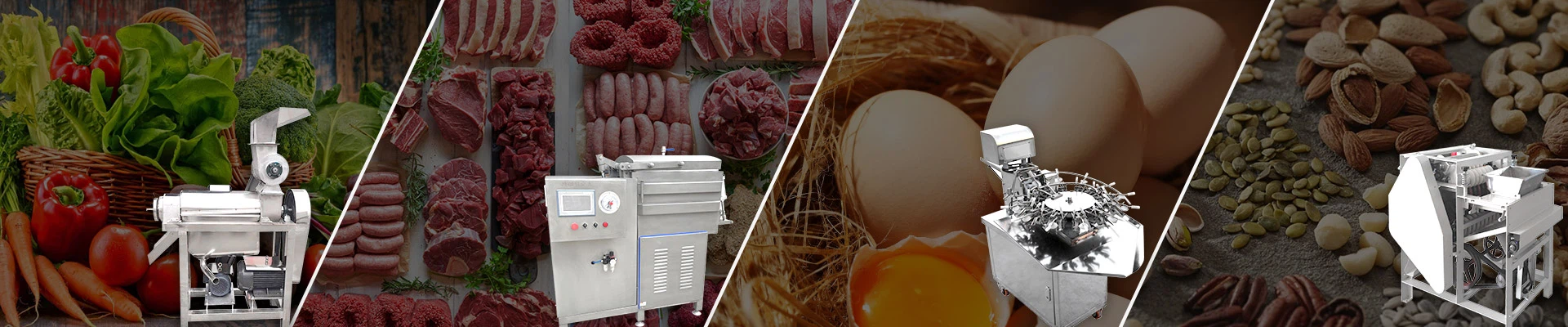
Maintaining a commercial mango pulper is crucial for ensuring optimal performance, product quality, and machine longevity.
These machines play a key role in food processing facilities by efficiently extracting pulp from mangoes while separating seeds and peels.
Because they operate under continuous use, especially during peak fruit seasons, regular maintenance is essential. Proper care not only minimizes downtime but also ensures compliance with food safety standards and protects your investment.
Below are essential maintenance tips for a commercial mango pulper, categorized for better clarity and to ensure a comprehensive understanding.
Daily Cleaning and Sanitation
Food residue and mango pulp can quickly build up in the commercial mango pulper, especially in areas with high humidity or sugar content, leading to microbial growth and contamination. To prevent this:
Disassemble machine components such as the hopper, sieve, rotor, and collection trays at the end of each shift.
Rinse thoroughly with warm water to remove pulp residues.
Use food-grade detergents to scrub surfaces, paying special attention to corners, crevices, and mesh filters.
Sanitize with an approved food-safe sanitizer before reassembling.
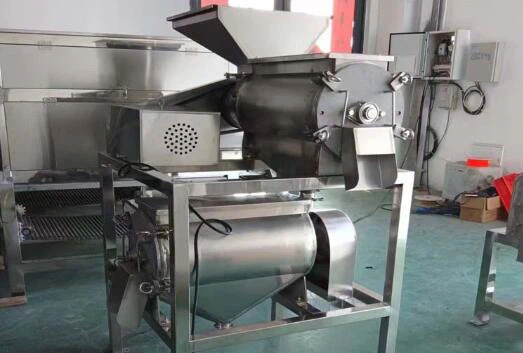
Lubrication of Moving Parts
A mango pulper has several moving parts, including motors, gears, and bearings. Friction and continuous motion can lead to wear and overheating if not properly lubricated.
Follow the manufacturer's lubrication schedule.
Use only food-grade lubricants where applicable to avoid contamination.
Check for signs of wear, such as squeaking, overheating, or vibration during operation.
Proper lubrication ensures smoother operation and extends the life of the mechanical components.
Inspection of Sieve and Blades
The sieve and blades (rotor or beater assembly) are critical components for efficient pulp extraction. These parts are subject to wear and tear, especially when processing large quantities of fruit.
Inspect the sieve regularly for signs of clogging, corrosion, or metal fatigue.
Check the blades for sharpness and damage. Dull or chipped blades reduce efficiency and increase pulp wastage.
Replace these components when wear is visible, or as recommended by the manufacturer.
Neglecting this can lead to inefficient pulping, lower yield, and even machine failure.
Electrical and Motor Maintenance
The motor and electrical components are the powerhouse of the pulper. Regular checks can prevent major failures.
Monitor the motor temperature during operations to avoid overheating.
Ensure the power supply and connections are secure and compliant with voltage requirements.
Periodically inspect the control panel and sensors for functionality.
Clean electrical housings and covers to prevent dust and moisture accumulation.
Schedule a professional inspection at least once a year to ensure electrical safety and performance.
Storage and Off-Season Maintenance
If the mango pulper is used seasonally, proper storage is essential during the off-season.
Thoroughly clean and dry the commercial mango pulper before storage to avoid mold, rust, or corrosion.
Cover the machine with a dust-proof, moisture-resistant cover.
Apply anti-rust coatings on vulnerable metal parts.
Store in a cool, dry, and well-ventilated area away from chemicals and pests.
This ensures the pulper is ready for operation at the start of the next season without requiring extensive repairs.


