

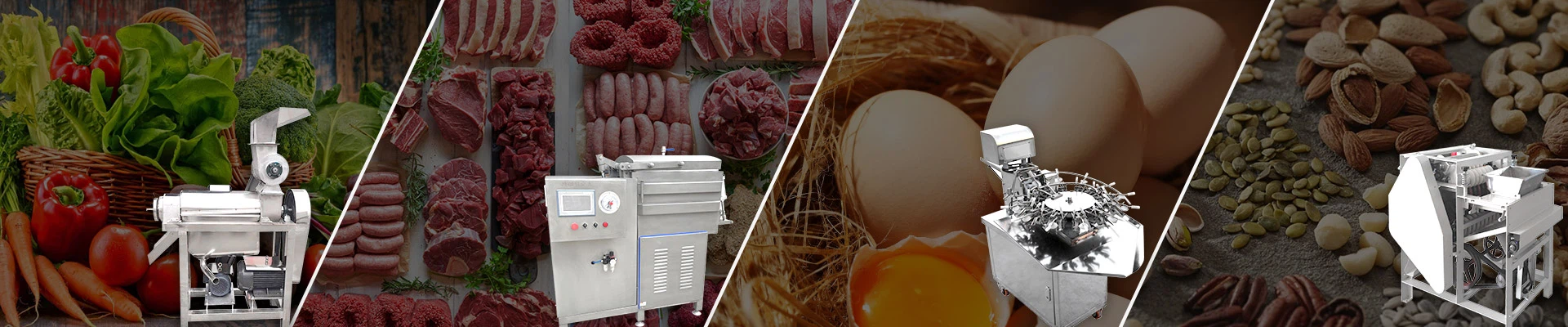
A commercial mango pulper is an essential piece of equipment in the food processing industry, especially in regions where mangoes are a major agricultural product.
This specialized machine is designed to efficiently extract pulp from mangoes by separating the skin, seed, and fiber from the soft flesh.
The resulting mango pulp can be used to produce a variety of products such as juices, nectars, jams, purees, concentrates, baby food, and desserts. The necessity of a commercial mango pulper is driven by factors such as efficiency, hygiene, consistency, scalability, and product quality.
Enhanced Efficiency and Speed
A commercial mango pulper automates the entire process, drastically increasing the speed and volume of production.
These machines can process hundreds to thousands of kilograms of mangoes per hour, making them indispensable in large-scale production facilities. This efficiency allows producers to meet high demand during mango season, reduce turnaround times, and optimize labor usage.
Improved Pulp Quality and Consistency
One of the biggest challenges in manual mango pulping is achieving uniform texture and quality. A commercial mango pulper ensures consistency in texture, color, and flavor, which is critical for producing standardized food products.
The machine uses stainless steel sieves and rotors that uniformly separate the pulp from seeds and skins, minimizing fiber content and ensuring a smooth and refined product. Consistency in pulp quality is vital for maintaining brand reputation and complying with food safety standards.

Hygiene and Food Safety
Food safety is non-negotiable in the food processing industry. Commercial mango pulpers are typically made from food-grade stainless steel, which resists corrosion, is easy to clean, and prevents contamination. The closed-system design of most pulpers minimizes human contact with the fruit, reducing the risk of microbial contamination.
Reduction in Wastage
Manual pulping often leads to significant fruit wastage, especially when extracting pulp from fibrous or overripe mangoes. Commercial mango pulpers are designed to maximize yield by extracting the maximum amount of pulp while minimizing waste. The efficient separation of seeds and skins ensures that little to no edible portion is discarded. This contributes to better raw material utilization and lowers production costs.
Scalability and Industrial Use
As businesses grow, the need for scalable equipment becomes vital. A commercial mango pulper allows processors to scale their operations without proportionately increasing labor or infrastructure costs.
Many machines come with customization options, such as varying sieve sizes, double-stage pulping, and integration with downstream processing equipment like pasteurizers and packaging lines. This scalability makes commercial pulpers suitable for both medium and large-scale operations.
Multi-Fruit Versatility
Although primarily designed for mangoes, many commercial pulpers can be used to process other fruits like papaya, tomato, guava, banana, and peach with minor adjustments. This versatility is beneficial for processing plants that handle seasonal fruits and want to make the most of their equipment investment year-round.


