

Understanding the Functionality and Cleaning Process of Egg Washing Machines
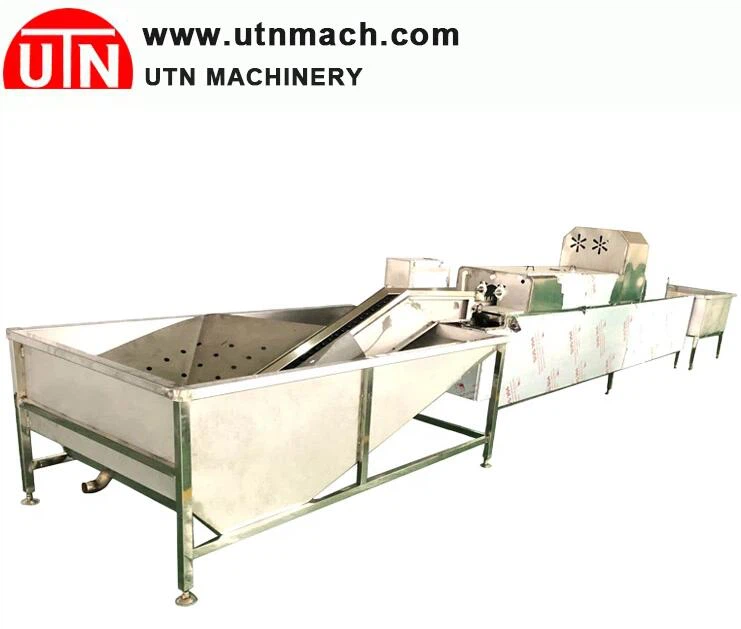
Modern egg washing machines employ a multi-step process to remove dirt and impurities while preserving the eggs' structural integrity.
Automated systems meticulously inspect each egg for cracks or damage. This is followed by the actual cleaning phase, in which rotating brushes, combined with food-grade detergents, thoroughly clean the eggshells.
Specialized egg washing machine manufacturers precisely calibrate spray nozzles to remove bacteria almost entirely-achieving an efficacy rate of approximately 99.8%-without compromising the delicate structure of the eggshell.
Next comes the rinsing stage, utilizing water at an optimal temperature to prevent thermal shock that could damage the eggs. Finally, all components undergo rapid drying to prevent the proliferation of residual microorganisms.
Poultry Farm Hygiene Standards and Regulatory Compliance
The use of egg washing machines helps farms adhere to the strict food safety standards specific to their region. Most industry experts recommend maintaining a water temperature between 40 and 48 degrees Celsius (approximately 104 to 118 degrees Fahrenheit) during the egg washing process.
It is also advisable to use pH-neutral detergents, as these aid in removing contaminants while preserving the structural integrity of the eggshell.
Naturally, compared to farms that still rely on traditional manual cleaning methods, automated systems offer distinct advantages; automation minimizes human error and ensures consistent cleaning results across every batch of eggs.
Manual vs. Machine Washing: Why Automated Egg Washing Surpasses Traditional Methods
The Limitations and Contamination Risks of Manual Cleaning
Traditional egg washing methods are no longer sufficient to meet today's hygiene requirements, as manual scrubbing often lacks uniformity and frequently leaves behind residual dirt.
Workers typically handle approximately 200 to 300 eggs per hour, with a probability of roughly 12% to 15% that traces of fecal matter or bacteria will be overlooked.
This implies that, compared to machine washing, the risk of Salmonella contamination in manually washed eggs is approximately three times higher.
Furthermore, temperature fluctuations during the manual cleaning process can compromise the egg's natural protective layer, making it easier for harmful substances to penetrate the interior of the egg. Egg Washing Machines: Exceptional Hygiene and Comprehensive Coverage
Today's chicken egg washing machines-equipped with programmable nozzles and rotating, food-grade brushes-are capable of thoroughly cleaning every part of an egg in a single pass, thereby significantly reducing the errors often associated with manual washing.
The water flow pressure is also precisely controlled to maintain a temperature of approximately 40 to 45 degrees Celsius-the ideal range for effective cleaning.
Particularly noteworthy is the machine's built-in drying system. This system effectively eliminates residual moisture-a critical feature, as damp eggs are prone to harboring harmful bacteria. Such a level of cleanliness is simply unattainable through manual washing methods utilizing handheld tools.


