

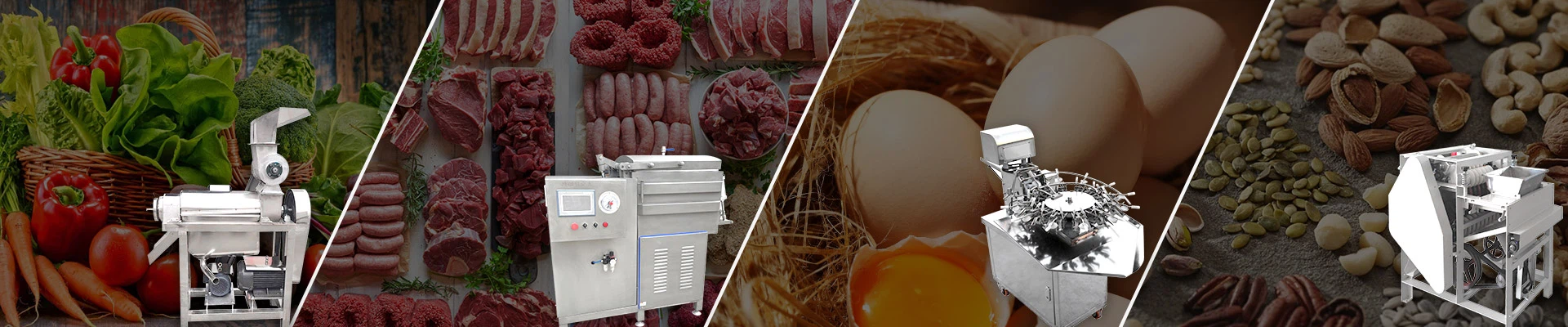
Groundnut sheller machines are designed to efficiently remove the shells from peanuts, preparing them for further processing or consumption. The working principle varies depending on the specific type of sheller, but most rely on mechanical forces to separate the kernels from the shells. Here's a general overview of the common working principles:
Shearing Action:
Principle: This is a widely used method. Peanuts are fed into the machine where they encounter a rotating element (like a roller) and a stationary element (like a screen or a plate).
Process: As the peanuts pass through the narrow gap between these elements, the shearing force generated by the movement breaks the shells.
Impact Action:
Principle: This method utilizes the force of impact to break the shells. Peanuts are fed into a chamber where they are subjected to high-speed impacts from rotating elements.
Process: The impact forces cause the shells to crack and break away from the kernels.

Abrasion Action:
Principle: This method involves rubbing the peanuts against a rough surface to wear down the shells.
Process: Peanuts are fed into a chamber with abrasive surfaces, such as rotating drums lined with abrasive materials. The friction generated by the rubbing action gradually removes the shells.
Combination Methods:
Principle: Some sheller machines combine multiple principles, such as shearing and impact, to achieve optimal shelling efficiency.
Process: These machines utilize a combination of mechanisms, such as rollers, impact plates, and abrasive surfaces, to effectively remove the shells while minimizing kernel damage.
General Working Process:
Feeding: Peanuts are fed into the groundnut sheller machine through a hopper or conveyor.
Shelling: The shelling mechanism (shearing, impact, abrasion, or a combination) operates to remove the shells.
Separation: The shelled peanuts and the shells are separated. This is often achieved through airflow, sieving, or gravity separation.
Cleaning: The shelled peanuts may undergo further cleaning processes to remove any remaining shell fragments or foreign materials.
By understanding the working principles of groundnut sheller machines, farmers and processors can select and operate the most suitable equipment for their needs, maximizing shelling efficiency while minimizing kernel damage and ensuring high-quality peanut products.


