

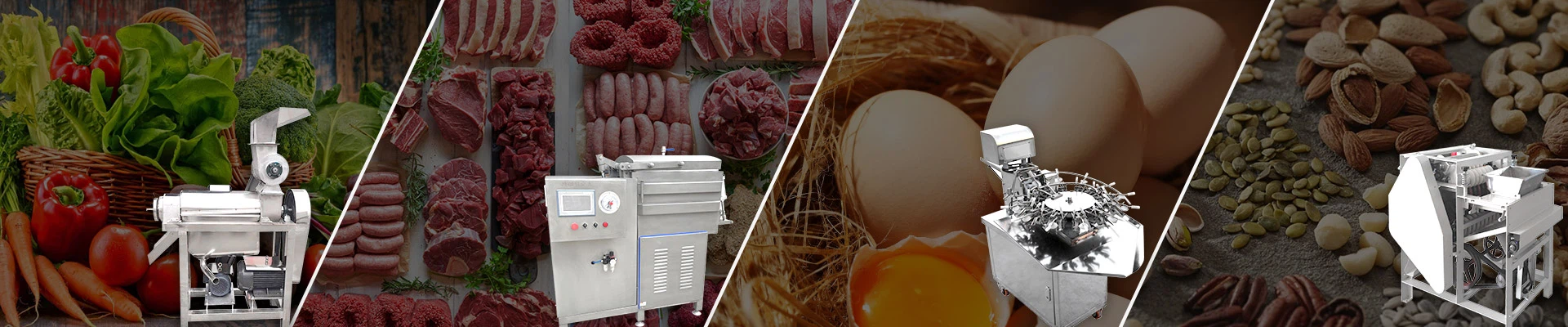
Automatic egg peelers play a significant role in modern kitchens by streamlining the egg peeling process, enhancing efficiency, and contributing to overall kitchen productivity. These innovative machines are designed to peel a large number of eggs quickly and consistently, offering several advantages for commercial kitchens, catering establishments, and food processing facilities. Here's an exploration of the roles of automatic egg peelers in modern kitchens:
1. Time Savings:
One of the primary roles of automatic egg peelers is to save time in the kitchen. Peeling a large quantity of eggs manually can be a time-consuming and labor-intensive task. Automatic egg peelers dramatically reduce the time required for peeling, allowing kitchen staff to focus on other essential culinary tasks.
2. High Volume Production:
They are specifically designed to handle high volumes of eggs efficiently. In commercial kitchens, catering events, or food processing facilities where large quantities of hard-boiled eggs are needed, these machines can quickly peel dozens or even hundreds of eggs in a short amount of time.
3. Consistent Results:
Achieving uniformity in egg peeling is challenging when done manually. Automatic egg peelers ensure consistent and uniform results with every egg. This consistency is crucial for maintaining the quality and appearance of dishes, whether they are destined for a restaurant, catering event, or packaged food product.
4. Labor Efficiency:
By automating the egg peeling process, kitchen staff can reallocate their time and skills to more specialized tasks that require human expertise. Automatic egg peelers reduce the reliance on manual labor for repetitive and time-consuming activities, contributing to labor efficiency in modern kitchens.
5. Reduced Waste:
The precision of automatic egg peelers minimizes waste by efficiently removing the eggshell without excessive damage to the underlying egg white. This is especially important in commercial settings where maximizing the usable portion of each egg is essential for both cost efficiency and product quality.

6. Hygienic Processing:
Maintaining hygiene standards is paramount in modern kitchens, and automatic egg peelers are designed with hygienic features to meet these requirements. The machines often have easy-to-clean surfaces, removable parts, and materials that resist bacterial growth, contributing to a clean and sanitary food processing environment.
7. Versatility in Egg Size:
They are versatile and can accommodate various sizes of eggs. This adaptability ensures flexibility in menu offerings and food production processes, allowing kitchens to use different types of eggs without the need for adjustments or specialized equipment.
8. Integration with Production Lines:
In food processing facilities, automatic egg peelers can be seamlessly integrated into existing production lines. Their compatibility with other equipment ensures a smooth workflow, minimizing bottlenecks and optimizing the overall efficiency of the production process.
9. Ease of Operation:
They are designed to be user-friendly, with intuitive controls and straightforward operating mechanisms. This ease of operation is crucial for kitchen staff who may be handling multiple tasks simultaneously. Minimal training is typically required to operate these machines effectively.
10. Conservation of Egg Yolk and White:
Automatic egg peelers are designed to peel eggs with minimal damage to the underlying egg white and yolk. This conservation of the egg's edible portions ensures that the maximum amount of usable egg is retained, contributing to the overall yield of ingredients for culinary applications.
Automatic egg peelers play a multifaceted and integral role in modern kitchens by addressing challenges associated with time-consuming manual egg peeling. Their contributions to efficiency, consistency, and versatility make them valuable assets in various culinary settings, from commercial kitchens and catering establishments to food processing facilities.


