

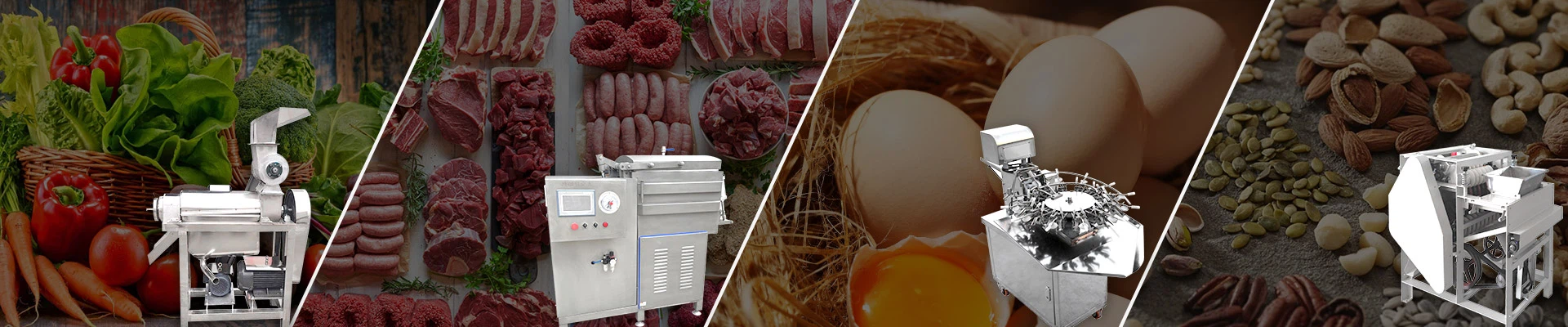
The Egg Liquid Separation Production Line finds practical applications across various sectors of the food processing industry, contributing to efficiency, quality, and versatility in the production of egg-based products. Below are some of the key practical applications of this technology:
1. Baked Goods and Pastries:
One of the primary applications of Egg Liquid Separation is in the production of baked goods and pastries. The separated egg liquid serves as a crucial ingredient in recipes, providing moisture, structure, and aeration to products like cakes, muffins, and pastries. The automated process ensures consistent quality, contributing to the reliability of these products.
2. Sauces and Dressings:
Egg liquid separation is essential for the production of sauces and dressings. The separated egg liquid can be used to create emulsions, adding richness and texture to sauces like mayonnaise, hollandaise, and salad dressings. The precision of the separation process is vital in achieving the desired consistency and stability in these products.
3. Ready-to-Eat Meals:
In the preparation of ready-to-eat meals and convenience foods, the Egg Liquid Separation Production Line plays a significant role. The separated egg liquid serves as a versatile ingredient for scrambled eggs, omelets, and other egg-based components of pre-packaged meals. The automation ensures quick and efficient processing, meeting the demand for convenient food options.

4. Foodservice and Catering:
Catering services and large-scale food production for events benefit from the efficiency of Egg Liquid Separation. The automated process allows for the rapid separation of egg liquid in bulk, streamlining the preparation of dishes that require large quantities of eggs. This is particularly advantageous in settings where time and volume are critical factors.
5. Egg White and Yolk Isolation:
The ability to separate egg whites from yolks with precision is a specific application of this technology. Industries that require isolated egg whites or yolks for specific recipes, such as meringues or custards, benefit from the accuracy of the separation process. This capability enhances the versatility of the Egg Liquid Separation Production Line.
6. Research and Development:
In the food research and development sector, the Egg Liquid Separation Production Line is a valuable tool for experimenting with different formulations. Researchers and product developers can use the separated egg liquid to test and refine new recipes, ensuring that the final products meet the desired taste, texture, and nutritional profiles.
7. Nutritional Supplements:
The egg liquid separated through this production line can also be utilized in the production of nutritional supplements. Egg liquid is a rich source of protein, vitamins, and minerals, making it a valuable ingredient for supplement formulations. The precise separation process ensures the consistency and quality required for supplement production.
8. Specialty Food Products:
The Egg Liquid Separation Production Line allows for the creation of specialty food products that require specific egg components. This includes products like egg white protein powders, which have gained popularity in fitness and health-conscious markets. The automation ensures that these specialty products maintain high standards of quality.
9. Pharmaceuticals and Cosmetics:
Beyond the food industry, the separated egg liquid can find applications in pharmaceuticals and cosmetics. The unique properties of egg liquid, such as its emulsifying and binding abilities, make it a valuable ingredient in certain pharmaceutical formulations and cosmetic products.
The Egg Liquid Separation Production Line is a versatile and indispensable technology in the food processing industry. Its practical applications span a wide range of products, from baked goods to nutritional supplements, showcasing its adaptability and contribution to the efficiency and quality of diverse food products. The automation and precision of the separation process make it an essential tool for businesses aiming to meet the demands of modern consumers in a competitive market.


