

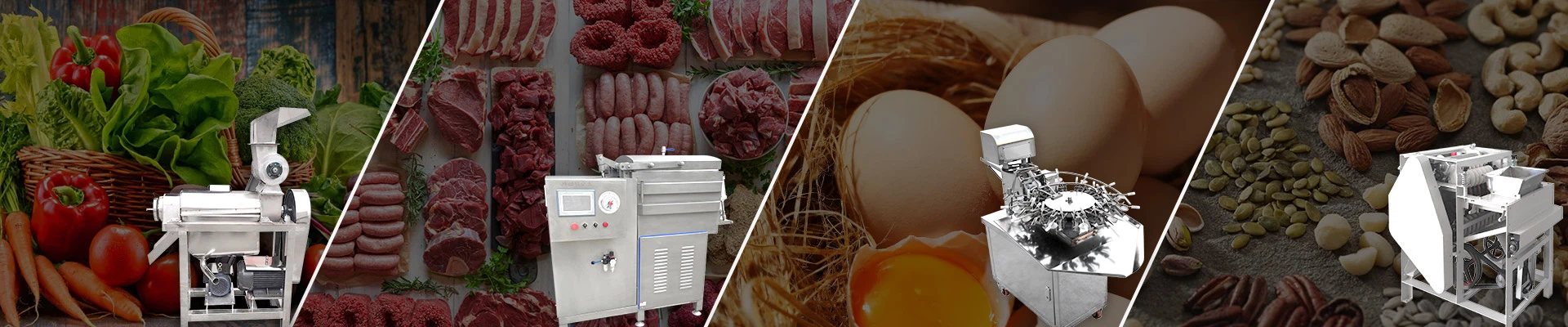
Fresh, homemade macaroni can elevate any dish, transforming it from ordinary to extraordinary.
For commercial kitchens, the ability to make fresh macaroni can significantly improve the quality of dishes and enhance the customer dining experience.
For beginners, using a macaroni production machine might seem daunting. This guide provides step-by-step instructions to help you easily master the operation of your macaroni production machine and create delicious, fresh macaroni.
Understanding Your Macaroni Production Machine
Before you start making macaroni, it's crucial to familiarize yourself with your macaroni production machine. Various types of pasta machines are available, each with its unique features and components. Here's a brief overview:
Manual Pasta Machines: These machines require manual cranking of a handle to feed the dough through the machine. They are ideal for small-scale production and offer a hands-on pasta-making experience.
Electric Pasta Machines: These machines automate the rolling and cutting process, making pasta production easier and faster. They are ideal for larger-scale operations and businesses that require high-volume pasta production.
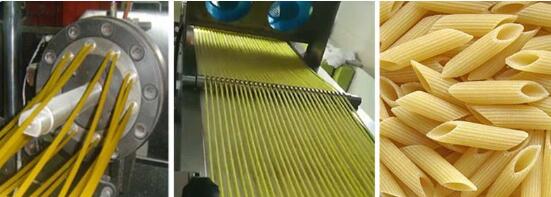
Pasta Extruders: These machines extrude the dough through dies to create various pasta shapes, such as penne, macaroni, and fusilli. They can be manual or electric and are ideal for producing a variety of pasta shapes.
Preparing the Pasta Dough
The first step in making fresh pasta is preparing the dough. Good dough is essential for achieving the ideal texture and flavor. Here's a simple recipe for your reference:
Ingredients:
500 grams (approximately 4 cups) all-purpose flour or 00 flour
5 large eggs
A pinch of salt
1-2 tablespoons olive oil (optional)
Instructions:
Combine Ingredients: On a clean work surface, pile the flour into a mound and create a well in the center. Crack the eggs into the well, add the salt, and the olive oil if using.
Knead the Dough: Gently whisk the eggs with a fork, then gradually incorporate the flour from the edges of the well into the eggs. Continue mixing until the dough begins to come together.
Kneading the Dough: After forming the dough into a rough ball, begin kneading it by hand. Knead for about 10 minutes until the dough is smooth and elastic. If the dough is too sticky, add a little flour; if it's too dry, add a few drops of water.
Resting the Dough: Wrap the dough in plastic wrap and let it rest at room temperature for at least 30 minutes. Resting the dough allows the gluten to relax, making it easier to roll out.
Setting up the Macaroni Production Machine
Once the dough is ready, you can begin setting up the macaroni production machine. Please follow these steps to ensure everything is ready:
Clean the machine: Ensure the machine is clean and free of dust or debris. If it's a new machine, wipe it with a damp cloth to remove any residue from the manufacturing process.
Install the rollers: If your machine has removable rollers, install them securely according to the manufacturer's instructions. Ensure the rollers are set to the widest position.
Secure the machine: Place the machine on a stable, flat surface and secure it if necessary. Some machines come with clamps to hold them in place during use.
Proper cleaning and maintenance of your pasta machine are crucial for ensuring its lifespan and performance. Here are some tips:
Clean after each use: After each use, wipe the machine with a dry or slightly damp cloth. Avoid using water, as it can cause rust and damage the machine.
Remove dough residue: Use a brush or wooden skewer to remove any dough residue from the rollers and cutters. Never use metal utensils, as they will scratch the machine.
Lubricate moving parts: Some machines may require periodic lubrication of their moving parts. Use food-grade lubricant and follow the manufacturer's instructions.
Store properly: Store the machine in a dry place, covered with a cloth or in its original packaging to protect it from dust and moisture.


