

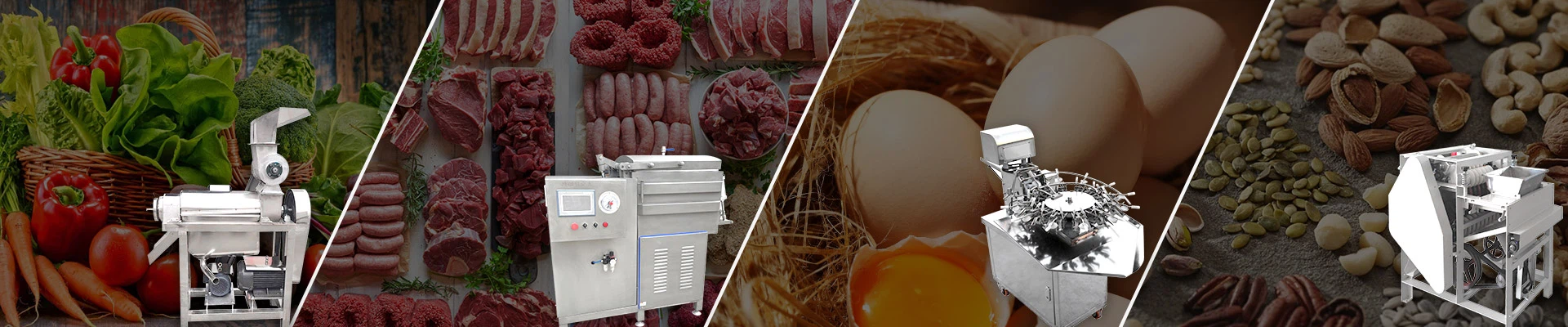
In the commercial food processing industry, having the right meat processing equipment is crucial for business success.
Investing in high-quality meat processing equipment can improve production efficiency, ensure food safety, and enhance overall operational efficiency.
This article will explore the key factors to consider when choosing the right meat processing equipment, focusing on meat processing equipment, commercial meat processing, meat processing machinery, and commercial food processing.
Define Your Processing Needs
Before delving into meat processing machinery, it's essential to define your specific processing needs. Consider the quantity of meat you will be processing, the types of products you plan to produce,
and any specific requirements or regulations you need to comply with. This initial step will help you narrow down your options and select a machine that aligns with your business objectives.
Assess Your Space and Capacity
Meat processing machinery varies in size and capacity. Assess the available space in your facility to determine the appropriate equipment size.

Also, consider the processing capacity required to meet your production demands. A clear understanding of your space limitations and production requirements will help you choose the machine best suited for your business.
Research Different Types of Meat Processing Machinery
Next, you need to familiarize yourself with the various types of meat processing machinery available on the market. Common types include meat grinders, mixers, slicers, meat tenderizing machines, sausage stuffers, brine injectors, vacuum tumbling massagers, vacuum massagers, and smokehouses.
Each machine serves a specific purpose in the meat processing workflow. Conduct thorough research on the functions, features, and advantages of each machine to determine which ones best meet your processing needs.
Consider Food Safety and Hygiene Standards
In the food processing industry, ensuring food safety and maintaining hygiene standards are paramount. When choosing meat processing machinery, prioritize hygienic design.
Features such as ease of cleaning, stainless steel construction, and removable parts are crucial for maintaining a clean and safe processing environment. Prioritize machines that comply with industry regulations and certifications for food processing equipment.
Evaluate Durability and Maintainability
Investing in meat processing equipment is a long-term investment, so choosing a durable and reliable model is essential. Consider the quality of materials, construction design, and the manufacturer's reputation when making your decision.
Reading customer reviews and seeking recommendations can provide valuable insights. It's also important to understand the maintenance requirements of the machines you are considering to ensure they align with your operational capabilities.
Seek expert advice and demonstration opportunities:
If you are unsure which meat processing equipment is best suited for your business, consult industry experts or equipment suppliers.
We can provide expert insights based on our experience and knowledge in commercial food processing. We also offer equipment demonstrations, allowing you to see the machines in operation firsthand and make a more informed decision.


