

Choosing the right fish deboning machine is crucial for businesses involved in meat processing, poultry production, and seafood processing. Whether you're deboning chicken, beef, fish, or other types of meat, selecting the appropriate machine can significantly impact efficiency, productivity, and product quality. Here are some key factors to consider when choosing the right fish deboning machine:
1. Type of Meat: The first step in choosing the right fish deboning machine is to consider the type of meat you'll be processing. Different machines are designed to handle specific types of meat, such as poultry, beef, pork, or fish. Some machines are versatile and can handle multiple types of meat, while others are specialized for a particular meat type. Assess your production needs and choose a machine that is compatible with the type of meat you'll be deboning.
2. Production Volume: Evaluate your production volume to determine the capacity of the fish deboning machine you need. Consider factors such as daily output, peak production periods, and future growth projections. Choose a machine with the capacity to meet your current and anticipated production demands to avoid bottlenecks and ensure seamless workflow. Additionally, consider the speed of the machine and its ability to maintain consistent output over extended periods.
3. Deboning Method: Fish Deboning machines employ various methods to separate meat from bones, such as mechanical cutting, sawing, or pressure-based systems. Each method has its advantages and limitations, depending on the type of meat and the desired end product. Mechanical cutting machines are suitable for precise deboning of poultry and fish, while sewing machines are ideal for larger cuts of meat like beef and pork. Pressure-based systems, such as hydraulic or pneumatic fish deboning machines, are versatile and can handle a wide range of meat types.
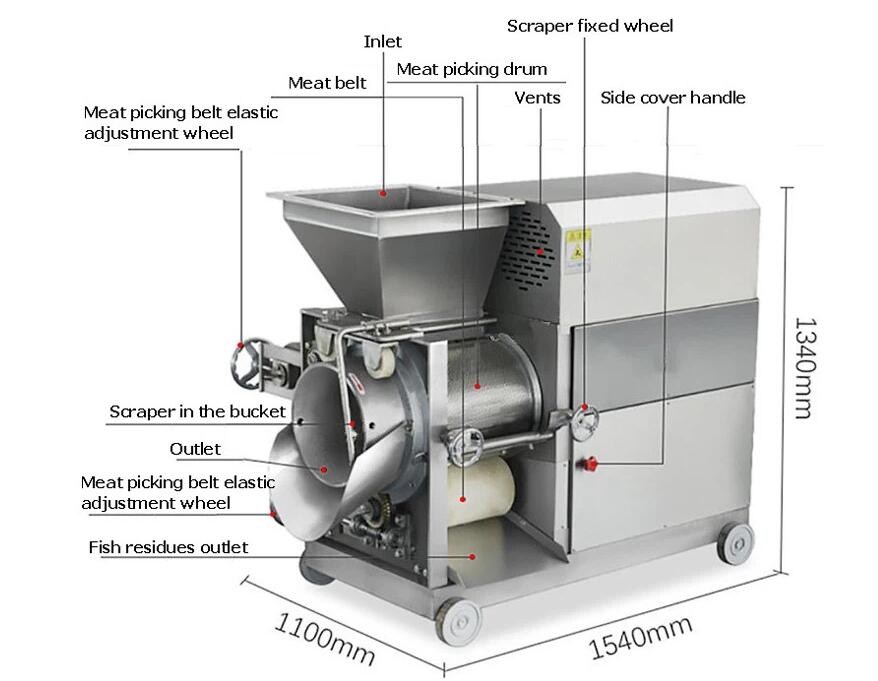
4. Bone Detection and Removal: Some deboning machines are equipped with advanced features for bone detection and removal, ensuring that only bone-free meat is processed further. These machines use sensors or imaging technology to detect bones and automatically remove them from the meat stream, reducing the risk of bone fragments contaminating the final product. Consider whether bone detection and removal capabilities are necessary for your application and choose a machine accordingly.
5. Versatility and Flexibility: Versatility is essential when choosing a fish deboning machine, especially if you process multiple types of meat or produce a variety of cuts. Look for machines that offer flexibility in terms of adjusting cutting parameters, blade configurations, and processing modes to accommodate different meat types, cuts, and processing requirements. Versatile machines allow you to adapt to changing market demands and explore new product offerings without investing in additional equipment.
6. Hygiene and Sanitation: Maintaining high standards of hygiene and sanitation is crucial in meat processing operations to ensure food safety and compliance with regulatory requirements. Choose a fish deboning machine with easy-to-clean surfaces, removable parts, and sanitary design features that facilitate thorough cleaning and disinfection. Additionally, consider machines with built-in sanitation systems, such as automatic washdown systems or antimicrobial coatings, to minimize the risk of bacterial contamination.
7. Ease of Operation and Maintenance: Opt for a fish deboning machine that is user-friendly and easy to operate, minimizing the need for extensive training and supervision. Intuitive controls, clear instructions, and ergonomic design features enhance usability and reduce the risk of operator errors. Similarly, prioritize machines with low maintenance requirements and accessible components for routine cleaning, lubrication, and upkeep. Regular maintenance ensures optimal performance and prolongs the lifespan of the machine.
Choosing the right fish deboning machine requires careful consideration of factors such as the type of meat, production volume, deboning method, bone detection and removal capabilities, versatility, hygiene, ease of operation and maintenance, and cost-effectiveness.
By evaluating these factors and selecting a machine that meets your specific needs and preferences, you can optimize your meat processing operations, enhance product quality, and achieve greater efficiency and profitability in your business.


