

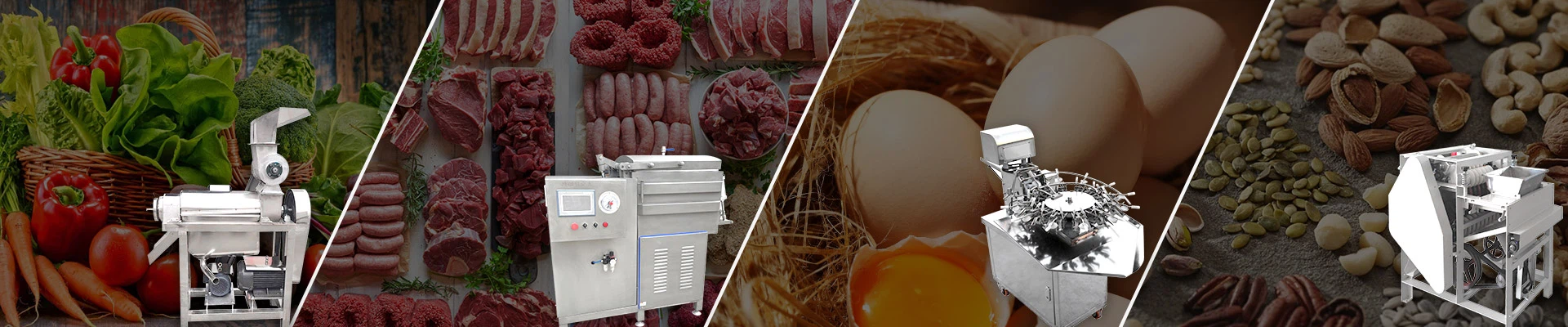
A hamburger patty forming machine is a specialized piece of equipment designed to automate the process of shaping ground meat or plant-based mixtures into uniform patties. These machines play a vital role in the food processing industry by enhancing productivity, consistency, and hygiene.
Understanding how this machine works provides insight into its efficiency and utility across various food manufacturing environments. The process involves several key components and steps, all working together to ensure the production of high-quality patties.
Ingredient Preparation
Before the patty forming process begins, the raw material must be prepared. This typically involves grinding and seasoning the meat (such as beef, chicken, or pork) or preparing plant-based mixtures using legumes, grains, vegetables, or textured vegetable protein. The mixture must have a uniform texture and the right moisture content for smooth flow and effective shaping within the machine.
Feeding System
The process starts when the prepared mixture is loaded into the hopper of the machine. The hopper acts as a storage container that holds the raw material before it is shaped into patties. From the hopper, the mixture is pushed into the forming system through a feeding mechanism, usually a piston, auger screw, or vacuum system. This mechanism ensures a consistent flow of the mixture to the mold cavity.
Portion Control and Molding
Once the mixture enters the forming chamber, the machine uses portioning devices to control the exact amount of material that enters each mold. This ensures that every patty is of the same size, weight, and thickness.

The forming plate or mold cavity is a crucial component that gives the patty its final shape. These molds can be changed or customized to produce patties of different diameters, shapes (round, square, oval), and thicknesses depending on customer needs.
The mixture is pressed or compacted inside the mold under controlled pressure to form uniform, tightly bound patties. This step is critical because it determines the texture and integrity of the final product. Too little pressure results in loose patties that fall apart; too much pressure can make the patty overly dense or tough.
Ejection and Conveyance
After the patties are formed, the machine uses an ejection mechanism (usually air jets, scrapers, or mechanical pushers) to remove the patty from the mold and place it onto a conveyor belt or tray. The conveyor then transports the patties to the next stage, which could be stacking, freezing, packaging, or cooking.
Some advanced machines include an interleaving paper system, where a sheet of paper is placed between each part during ejection. This makes it easier to handle, stack, and store patties, especially if they are going to be frozen.
Optional Features
Modern hamburger patty forming machines often come with optional features to enhance versatility and automation. These may include:
Automatic stacking units to group patties for packaging.
Vacuum systems are used to reduce air pockets in the patties.
Stuffing units for making patties with fillings (e.g., cheese-stuffed burgers).
Multiple mold formats for the simultaneous production of various patty shapes or sizes.
Cleaning and Maintenance
After use, the machine must be thoroughly cleaned and sanitized to meet food safety standards. Many machines are designed with removable parts, stainless steel surfaces, and easy-access areas to simplify this process. Regular maintenance, such as checking for wear on seals or ensuring the mold alignment, is crucial to keeping the machine in optimal working condition.


