

Choosing the right potato sorter is essential for potato farmers looking to maximize efficiency, optimize yield, and ensure the quality of their harvest. With a wide range of options available on the market, selecting the most suitable potato sorter requires careful consideration of various factors. Here's a comprehensive guide on how to choose the right potato sorter:
1. Assess Your Needs: The first step in choosing a potato sorter is to assess your specific needs and requirements. Consider factors such as the size of your farm, the volume of potatoes you produce, and the types of potatoes you grow. Determine whether you need a sorter for primary sorting immediately after harvest or for secondary sorting before packaging and distribution.
2. Understand Sorting Technologies: Potato sorters utilize different technologies to identify and separate potatoes based on size, shape, color, defects, and other characteristics. Familiarize yourself with the various sorting technologies available, including optical sorting, weight grading, size grading, and color sorting. Understand how each technology works and its suitability for your farm's requirements.
3. Consider Sorting Capacity: Evaluate the sorting capacity of the potato sorter to ensure it can handle the volume of potatoes produced on your farm. Consider factors such as throughput rate, processing speed, and the number of sorting lanes or channels. Choose a sorter with sufficient capacity to meet your current production needs and accommodate future growth.
4. Evaluate Sorting Accuracy: Accuracy is crucial when choosing a potato sorter to ensure consistent and reliable sorting results. Look for a sorter with high precision and accuracy in identifying defects, foreign material, and quality parameters. Consider the sorter's error rate, false rejection rate, and detection capabilities to ensure optimal performance.
5. Check Flexibility and Versatility: Opt for a potato sorter that offers flexibility and versatility to accommodate different potato varieties, sizes, and processing requirements. Look for adjustable settings, customizable sorting criteria, and interchangeable sorting modules that allow you to adapt the sorter to changing conditions and preferences.
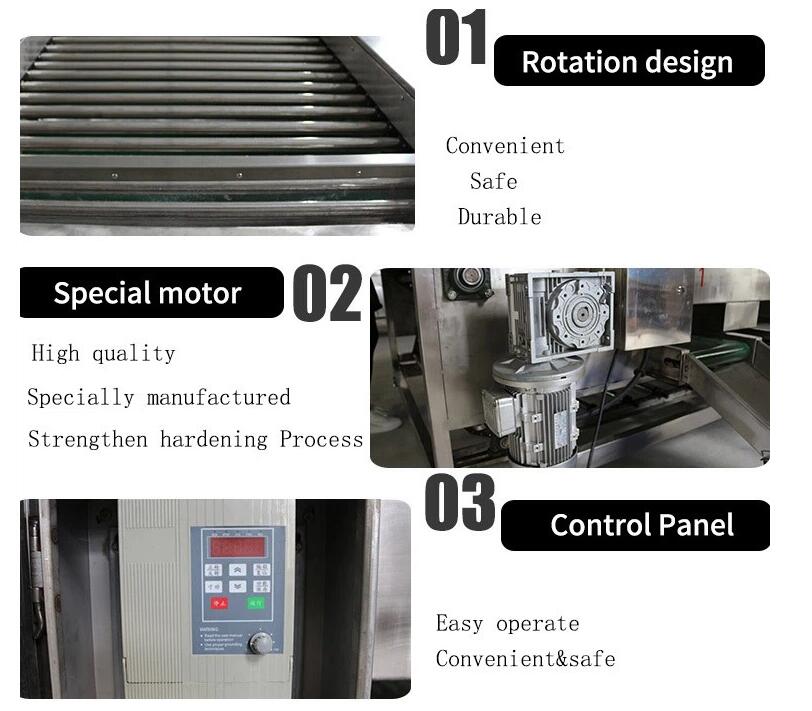
6. Assess Ease of Use and Maintenance: Choose a potato sorter that is user-friendly and easy to operate, minimizing the need for extensive training and supervision. Look for intuitive controls, clear interface design, and comprehensive user manuals. Similarly, prioritize sorters with low maintenance requirements and accessible components for routine cleaning, lubrication, and upkeep.
7. Consider Integration and Compatibility: Evaluate the compatibility of the potato sorter with other equipment and systems in your potato processing line. Ensure seamless integration with existing machinery such as conveyors, washers, and packaging equipment. Choose a sorter that supports data connectivity and communication protocols for seamless data exchange and process optimization.
8. Factor in Cost and ROI: Consider the upfront cost of the potato sorter in relation to its potential return on investment (ROI) for your farm. Calculate the ROI based on factors such as increased sorting efficiency, reduced labor costs, improved product quality, and enhanced marketability of your potatoes. Choose a sorter that offers the best value proposition and aligns with your budgetary constraints.
9. Seek Recommendations and References: Gather feedback and recommendations from other potato farmers, industry experts, and equipment suppliers. Ask for references and testimonials from users who have experience with the potato sorter you're considering. Consider factors such as reliability, performance, customer support, and after-sales service when evaluating potential suppliers.
10. Explore Additional Features and Support: Finally, explore any additional features or support services offered by the potato sorter manufacturer or supplier. Look for value-added features such as remote monitoring, predictive maintenance, and software upgrades. Consider the availability of technical support, training programs, and warranty coverage to ensure ongoing support and assistance.
Choosing the right potato sorter is crucial for potato farmers looking to optimize their sorting process and maximize the value of their harvest. By assessing your needs, understanding sorting technologies, evaluating sorting capacity and accuracy, checking flexibility and versatility, assessing ease of use and maintenance, considering integration and compatibility, factoring in cost and ROI, seeking recommendations, and exploring additional features and support, you can select a potato sorter that meets your farm's requirements and contributes to the success of your potato operation.


