

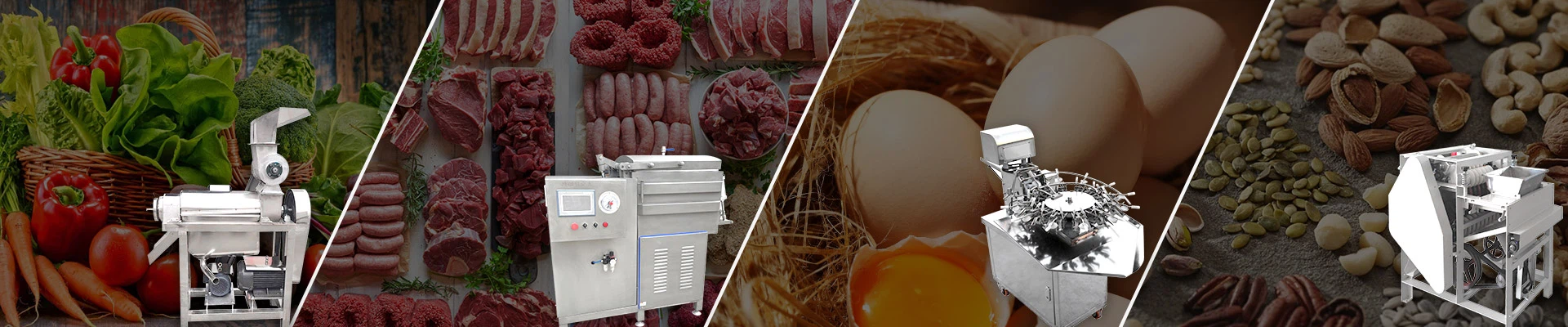
An apricot shelling machine significantly improves food processing quality in numerous ways, impacting efficiency, hygiene, consistency, and the overall quality of the final product.
By automating the often laborious and inconsistent task of separating the apricot kernel from its hard shell, these machines introduce a level of control and precision that manual methods simply cannot achieve. Here's a detailed breakdown of how an apricot shelling machine enhances food processing quality:
Enhanced Efficiency and Reduced Labor Costs:
Speed and Throughput: Compared to manual shelling, which is time-consuming and labor-intensive, an apricot shelling machine can process a significantly larger volume of apricots in a shorter period. This increased throughput allows food processing facilities to handle larger batches, meet higher demands, and streamline their production schedules.
Automation Reduces Human Error: Manual shelling is prone to inconsistencies and human error, leading to variations in the quality of shelled kernels and potential damage. Automated shelling machines operate with consistent force and precision, minimizing damage to the kernels and ensuring a higher yield of intact, high-quality kernels.

Lower Labor Costs: By automating the shelling process, food processors can reduce their reliance on manual labor, leading to significant cost savings in the long run. This allows for more efficient allocation of human resources to other critical stages of the food processing line.
Improved Hygiene and Food Safety:
Reduced Human Contact: Automation minimizes direct human contact with the apricots and kernels during the shelling process. This reduces the risk of contamination from human hands, such as bacteria, sweat, and other impurities, leading to a more hygienic final product and improved food safety.
Controlled Environment: Many modern apricot shelling machines are designed with enclosed systems that further minimize exposure to environmental contaminants like dust, insects, and other foreign materials. This controlled environment contributes to a cleaner processing environment and a higher quality end product.
Easy Cleaning and Sanitation: Well-designed shelling machines are typically constructed with materials that are easy to clean and sanitize. Smooth surfaces and accessible components allow for thorough cleaning between batches, preventing cross-contamination and maintaining high hygiene standards.
Enhanced Downstream Processing:
Preparation for Further Processing: Efficient and consistent shelling provided by these machines prepares the kernels for subsequent processing stages, such as roasting, blanching, grinding, or oil extraction. The uniformity of the shelled kernels ensures more predictable and efficient results in these downstream processes.
Improved Quality of Byproducts: Even the shells, as byproducts of the shelling process, can be handled more efficiently and hygienically when processed by a machine. This can lead to higher quality byproducts suitable for other applications (e.g., biofuel, animal feed components).
Increased Yield and Reduced Waste:
Optimized Shelling Efficiency: Well-maintained apricot shelling machines are designed to maximize the extraction of kernels from the apricots while minimizing the loss of valuable kernel material. This optimized efficiency leads to a higher yield of usable kernels.
Reduced Damage and Loss: By minimizing kernel breakage and ensuring clean separation from the shell, these machines reduce the amount of waste generated during the shelling process. This not only improves profitability but also contributes to more sustainable food processing practices.


